
Key West Snorkeling Tours: Which Adventure Would You Choose?
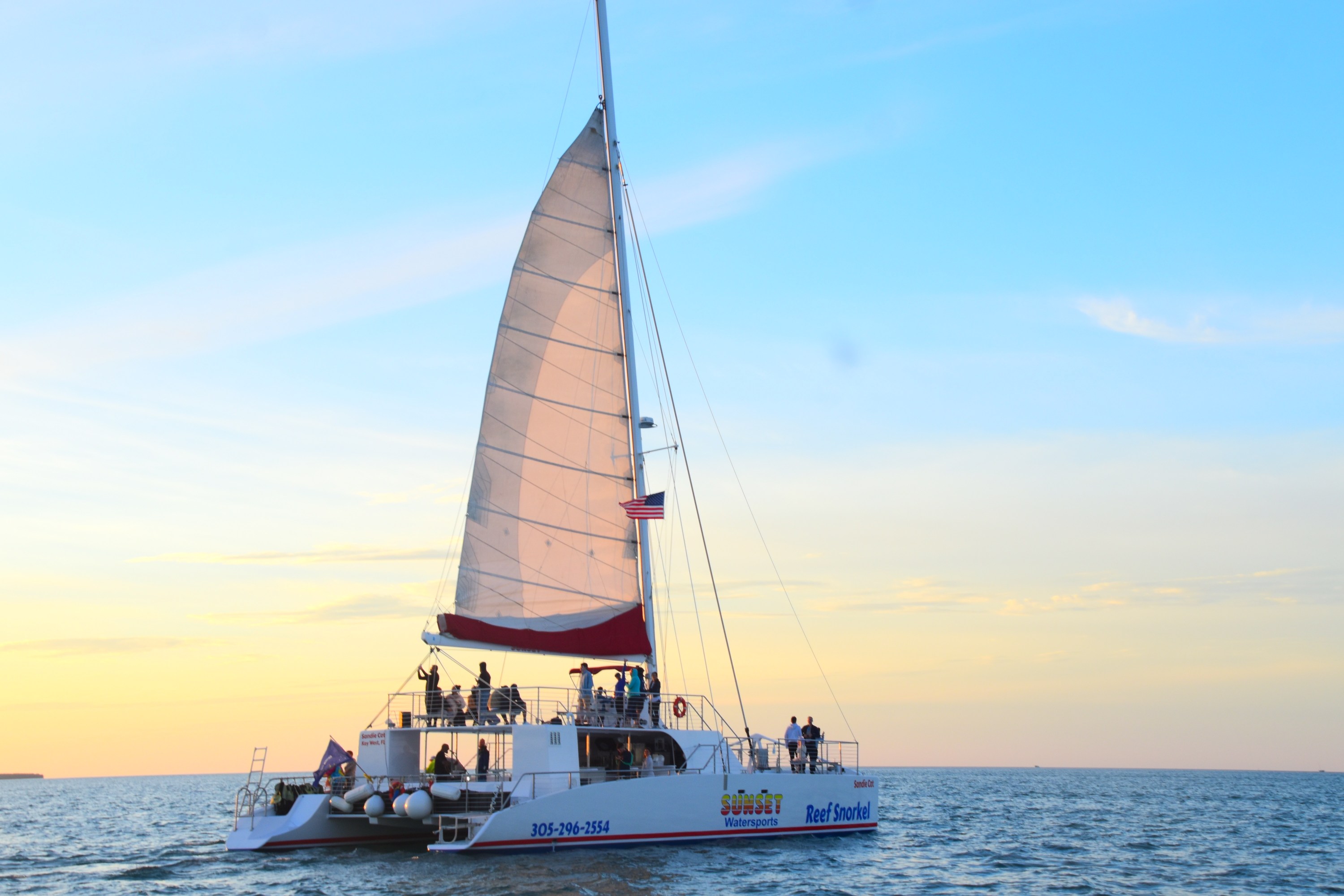
Key West, Florida, sits beside the only living coral barrier reef in the continental United States. From Key West Harbor, boats reach shallow coral sites in about 20 to 40 minutes, placing you over clear water inside the Florida Keys National Marine Sanctuary.
If you’re staying near the Seaport, Sunset Watersports departs from 201 William St with direct access to reef sites chosen for visibility and marine life activity. You board, get gear and instructions, and head offshore directly, avoiding long channels or inland marinas.
In this article, you’ll learn which reef sites tours visit, how long trips last, what’s included on board, when water clarity is best, and how to choose between classic reef sails, dolphin combos, or family-friendly options.
Why Key West Is a Snorkeling Paradise
Key West offers clear, warm water, close reefs, and lots of marine life. You can reach healthy coral, sea turtles, and tropical fish without long boat rides.
The Unique Living Coral Barrier Reef
The Florida Keys coral barrier reef runs close to Key West and is the third-largest reef system in the world. You snorkel over living coral structures like canyons and patch reefs that support many species.
The reef’s shape creates calm snorkeling spots with good visibility. Shallow areas let you float above coral and see sponges, brain coral, and branching formations.
This reef sits inside the Florida Keys National Marine Sanctuary, so many areas have protection. Guided tours follow rules to avoid damaging coral. You’ll see the reef’s texture, colors, and fish up close.
Vibrant Marine Life Beneath the Surface
Key West reef snorkeling brings encounters with sea turtles, colorful tropical fish, and spotted eagle rays. Schools of blue tangs, parrotfish, and sergeant majors swirl around coral heads.
You can spot larger animals near ledges and sand channels. Nurse sharks and rays appear in quieter sandy spots, while juvenile fish hide in coral cracks.
Guided tours point out wildlife and the best viewing spots. Bring an underwater camera and stay at least a few feet away from animals to avoid stress and follow sanctuary rules.
Accessibility of Key West’s Best Snorkeling Spots
Many top snorkeling sites sit 6–8 miles offshore, but boat rides from Key West Harbor take only 20–45 minutes. That means less transit and more time in the water.
Operators depart from location points like 201 William St and Smathers Beach. Trips run morning and afternoon to match the light and tide. Some tours combine reef snorkeling with dolphin watching or a sandbar stop.
You don’t need advanced skills to join most trips. Guides provide masks, snorkels, life vests, and safety briefings, so families and solo travelers can enjoy the reef with confidence.
Types of Key West Snorkeling Tours
These snorkel options show you coral reef sites, chances to see dolphins, and gentle tours for families or first-timers. Expect clear itineraries, safety instruction, and gear included on most departures from Key West Harbor.
Classic Coral Reef Excursions
Reef snorkel tours head to the Florida Keys’ living coral reef system near Key West. You will depart from Key West Harbor and sail 20–40 minutes to reefs where you can spot parrotfish, angelfish, and brain coral.
Trips often last about three hours and include masks, fins, and a brief skills demo. Many morning or afternoon reef trips use a catamaran with roomy decks and fresh water on board. Some runs offer breakfast or a post-snorkel open bar.
These tours focus on shallow reef snorkel sites and are ideal if you want a concentrated reef experience.
Dolphin Encounters with Snorkeling
Dolphin-and-snorkel combos visit dolphin playgrounds first, then move to nearby reefs for snorkeling. You’ll watch dolphins in their natural habitat from the boat, keeping a respectful distance, before gearing up to swim. Boats typically run three-hour combos that mix wildlife viewing and reef time.
These tours include guided dolphin watching, snorkel instruction, and standard equipment. Look for departures from 201 William St in Key West Harbor when booking. Some operators may serve light snacks or drinks after the water activities.
Family-Friendly and Beginner Options
Beginner and family tours use shallow sites, calm seas, and extra staff to coach kids. They often provide life vests, floatation aids, and shorter swim segments so younger guests still see reef life without long swims.
Options include backcountry eco snorkels near mangrove islands or sandbar visits where kids can play, paddleboard, or kayak between short snorkel stops. These runs usually depart from Key West Harbor or nearby marinas and work well for multi-age families.
Meet the Top Key West Tour Operators
These operators run frequent reef snorkel trips, dolphin watches, and sandbar charters from Key West Harbor and nearby marinas. You’ll find options that focus on family comfort, fast catamarans, or small-group sailings that get you close to coral, turtles, and clear snorkeling spots.
Fury Water Adventures and Their Signature Sailings
Fury runs large-capacity catamarans that depart from Key West Harbor and head straight to the living coral reef.
Their boats move quickly, so you spend more time snorkeling than riding. Expect guided snorkeling instruction, full snorkel gear, and clear explanations of reef etiquette before you enter the water.
Onboard amenities include multiple decks for viewing, shaded seating, and a bar area. Tours often combine reef snorkeling with a short dolphin-watch leg or a sandbar stop. Fury’s schedule has many daily departures, making it easy to match your day to a convenient time.
Sebago Watersports: Catamarans and Small Group Experiences
Sebago focuses on smaller-group catamaran sails that aim for quieter reef spots and more personalized attention. Their crews give close snorkel guidance and tips to help you spot hawksbill and green sea turtles, reef fish, and healthy coral formations.
Tours often emphasize a relaxed sailing experience with room to move on deck and quick water entry points for easy snorkeling. If you prefer fewer people and more direct interaction with the crew, Sebago’s smaller groups and steady catamarans deliver a calmer snorkeling day.
Exploring Famous Reefs and Wildlife Hotspots
You will learn where to find healthy coral, common animals to expect, and the best times to plan a snorkel trip from Key West Harbor or nearby launch points. The next parts cover reef locations, protected areas, and seasonal tips for clearer water and more wildlife sightings.
Key West Reef and Its Colorful Residents
The reef near Key West includes patch reefs and coral heads within the Florida Keys reef tract, a living coral barrier reef stretching south from Key Biscayne. Expect shallow spots like Sand Key Lighthouse and Eastern Dry Rocks with coral fingers, sea fans, and sponge gardens that attract tropical fish.
You will often see parrotfish, angelfish, sergeant majors, and schooling snapper near coral heads. Sea turtles and nurse sharks show up in calmer, sandy channels. Bring a reef-safe sunscreen and a mask with good peripheral vision to spot life hiding in crevices.
Most snorkel tours depart from Key West Harbor and travel 6–12 miles to reefs. Guided trips point out species and use reef-friendly anchoring. If you snorkel from a kayak or small boat around backcountry keys, choose shallow patch reefs like Archer Key for quieter wildlife viewing.
The Wonders of Florida Keys National Marine Sanctuary
The Florida Keys National Marine Sanctuary protects large sections of the Florida Keys reef and nearby habitats. Rules limit damaging activities and set zones for diving, fishing, and boating to help coral and fish recover.
You will notice clear signage and marked ecological reserves like Western Sambo where coral tends to be healthier. Tours operating in the sanctuary follow regulations and often include talk on reef conservation and how to avoid contact with coral and animals.
The sanctuary links the reefs, seagrass beds, and mangrove islands that support juvenile fish, rays, and dolphins. When you choose a licensed operator departing from Key West Harbor, expect captains to follow sanctuary guidelines and point out protected areas during your trip.
Best Times and Seasons to Snorkel
Water clarity near Key West is usually best from late fall through spring when winds calm and plankton levels drop. Plan morning departures for gentler seas and brighter light on the reef, which helps you see colors and fish behavior more clearly.
Summer brings warmer water and more tropical fish, but afternoon thunderstorms and higher winds can reduce visibility. For turtle or dolphin sightings, consider tours at dawn or during slack tide when animals move into shallow feeding areas.
Book trips that state exact departure points like 201 William St in Key West Harbor for reliable pickup times. Check local weather and reef conditions the day before you go. Pick a guided snorkel if you want help finding the best reef sites and wildlife hotspots.
Blue Water And Mental Health Benefits
Research from the University of Exeter, published in Health & Place, studied the relationship between coastal environments and mental well-being.
The findings suggest that time spent near “blue spaces” such as oceans and coastal waters is associated with lower stress and improved mood indicators. Exposure to natural water environments may support emotional restoration and relaxation.
Snorkeling combines gentle physical activity with immersive marine surroundings. Floating above coral while focusing on breathing patterns creates a natural rhythm similar to mindfulness practice.
That combination of movement and marine exposure aligns with research connecting coastal settings to psychological benefits.
What to Expect on Your Key West Snorkeling Tour
You will board from Key West Harbor and spend about three hours on the water, visiting shallow reef spots with clear visibility and plenty of marine life. Expect guided instruction, supplied gear, and basic onboard food and drinks depending on the trip you choose.
Gear, Safety Briefings, and Instructions
You will get a mask, snorkel, fins, and a life vest. Staff check and fit your gear before leaving the dock. If you have a prescription mask or special fins, bring them.
Crew leads a short safety briefing on the boat. They cover hand signals, buddy rules, how to clear a snorkel, and what to do if you get tired. Guides point out reef-safe behavior to protect coral and marine life.
Guides stay close while you snorkel. They pick reef spots with calm water and good visibility. If you feel uncomfortable, they’ll help you back on board quickly.
Onboard Amenities: Drinks, Food, and Shade
Most reef snorkel tours include bottled water and soft drinks. Some afternoon trips add an open bar with draft beer or mimosas after snorkeling. Morning reef tours may serve light breakfast items like pastries and juice.
Boats usually have shaded seating and restrooms. Catamarans offer larger shaded decks and easier entry ladders for reboarding. If you need more shade, choose a vessel with a covered cabin or upper deck seating.
Crew provide towels on many tours, but check the tour details. Bring reef-safe sunscreen, a hat, and a dry bag for your phone.
Accessibility for All Ages and Skill Levels
Tours in Key West suit beginners and experienced snorkelers. Staff offer basic instruction for first-timers and can pair you with an experienced buddy if needed. Age limits vary; many tours welcome kids as young as six with an adult.
Boarding and water entry vary by boat type. Catamarans use ladders and wide swim platforms for easier access. If you have mobility limits, call ahead to confirm ramp or assistance options departing from 201 William St or Smathers Beach.
If you’re pregnant, have recent surgery, or have severe mobility issues, discuss your condition when booking. Guides adapt pace and choose calmer reef sites for safer experiences.
Insider Tips for the Best Snorkeling Experience
Plan for timing, safety, and what to bring so you get the clearest water, best reef access, and a smooth day on the boat. Choose a reputable operator, protect the coral, and pack wisely for comfort and sun protection.
Booking in Advance and Securing the Best Deals
Book at least a few days to a week ahead during high season to lock your preferred time and seat on tours departing from Key West Harbor. Morning reef trips often have calmer seas and better visibility; afternoon trips can be warmer but may be windier.
Check direct booking from the tour’s departure point at 201 William St to avoid third‑party fees and get the lowest price guarantee.
Ask about the exact departure time, the meeting spot at the Key West Seaport, the duration, and age limits before you pay. Bring confirmation on your phone and arrive 20–30 minutes early to board smoothly.
Eco-Friendly Practices and Reef Safety
Stay at least an arm’s length from coral and never touch, stand on, or collect reef life. Use reef-safe sunscreen without oxybenzone or wear a long-sleeve rash guard to reduce sunscreen use.
These actions help protect the Florida Keys National Marine Sanctuary and reef habitats like Eastern Dry Rocks and Sand Key.
Follow crew instructions when entering and exiting the water. Avoid chasing or feeding wildlife. If you dive from the sandbar or Cow Key Marina, rinse gear in fresh water after use to prevent cross-site contamination. Small changes keep coral healthy.
Must-Pack Essentials for Your Tour
Bring your own fitted mask and snorkel if you prefer; rented equipment works but may feel less comfortable. Pack a lightweight towel, a waterproof bag for wet items, and a change of clothes. Include a wide-brim hat, polarized sunglasses, and a reusable water bottle to stay hydrated.
Wear a swimsuit under quick-dry clothing and reef-safe SPF clothing if you burn easily. Bring motion-sickness medicine if you’re prone to seasickness. Carry a waterproof phone pouch for photos. Label your items and keep valuables locked onshore or in the boat’s secure storage.
The Reef Is Closer Than You Think
Snorkeling in Key West places you above living coral within minutes of departure. You float over patch reefs, watch schools of fish move through coral fingers, and surface to wide Gulf and Atlantic views. Few destinations in the continental United States offer reef access this close to shore.
With departure steps from the waterfront, Sunset Watersports makes reaching the reef straightforward, whether you stay near Old Town or Smathers Beach. Gear, guidance, and selected reef sites keep the focus on marine life, not logistics.
Choose your departure time, secure your seat, and step onto the dock ready to meet the reef for yourself. Reserve your spot, and be floating over coral within the hour.
Frequently Asked Questions
Find practical answers about snorkeling in Key West, including top tours, who can join, reef locations, and group sizes. This section uses real departure points and tour types to help you choose the best option for your plans.
What are some highly rated snorkeling tours in Key West?
Popular tours include morning reef sails, afternoon Dip & Sip trips, and combo trips with dolphin watching or sandbar stops. Catamaran trips leave from Smathers Beach, and small-boat runs visit coral and shallow wrecks. Look for tours that list reef sites, provide gear, and offer brief instruction.
Can beginners participate in snorkeling tours in Key West?
Yes. Most tours provide basic snorkel gear, mask fitting, and a short safety talk. Guides stay close to beginners and point out calm, shallow spots. Morning or calm-water trips work best for new snorkelers.
Are there any snorkeling tours suitable for non-swimmers in Key West?
Yes. Many tours let non-swimmers stay on the boat and watch wildlife. Some offer flotation vests and supervised shallow-water options. Ask about lifejackets, swim ladders, and crew-to-guest ratios before booking.
Where in Key West can you find the best coral reef snorkeling experiences?
The Florida Keys coral reef system near Key West lies offshore in the Florida Marine Sanctuary. Top departure points include Key West Harbor and catamarans leaving Smathers Beach. Choose tours that name reef sites and include snorkeling at protected areas for clear water and vibrant marine life.